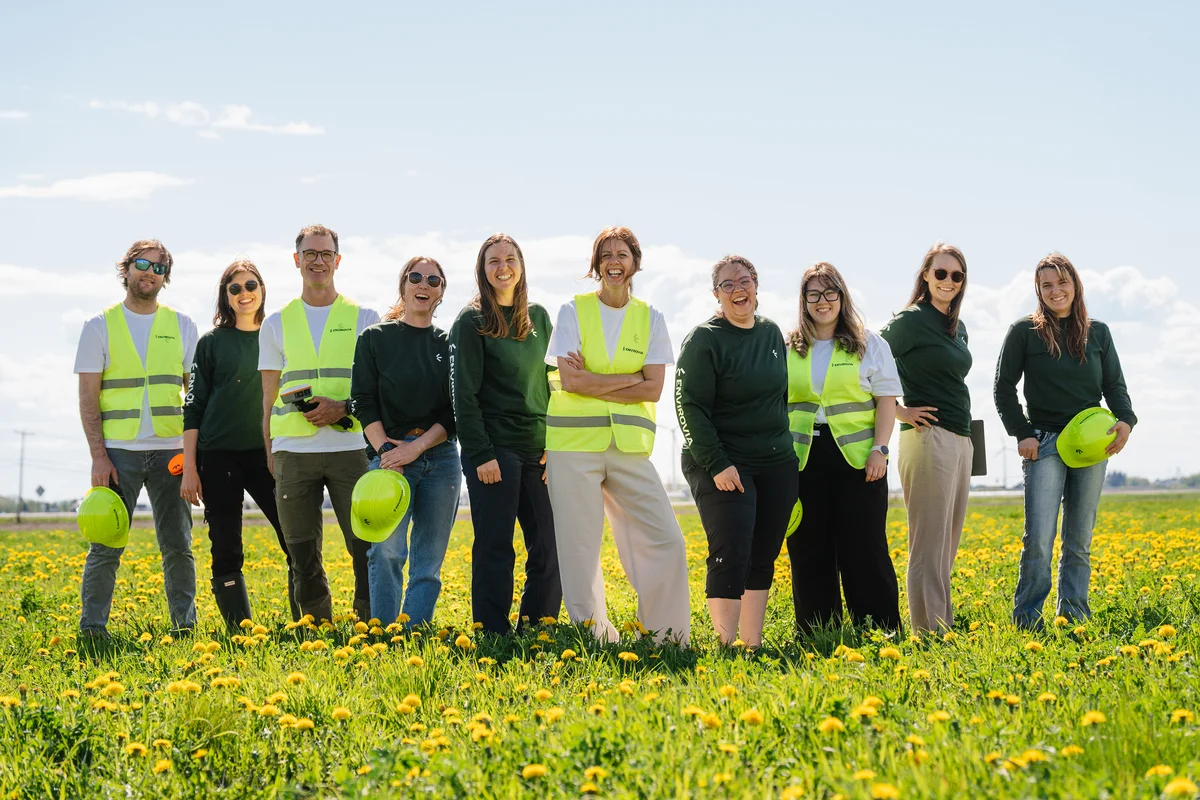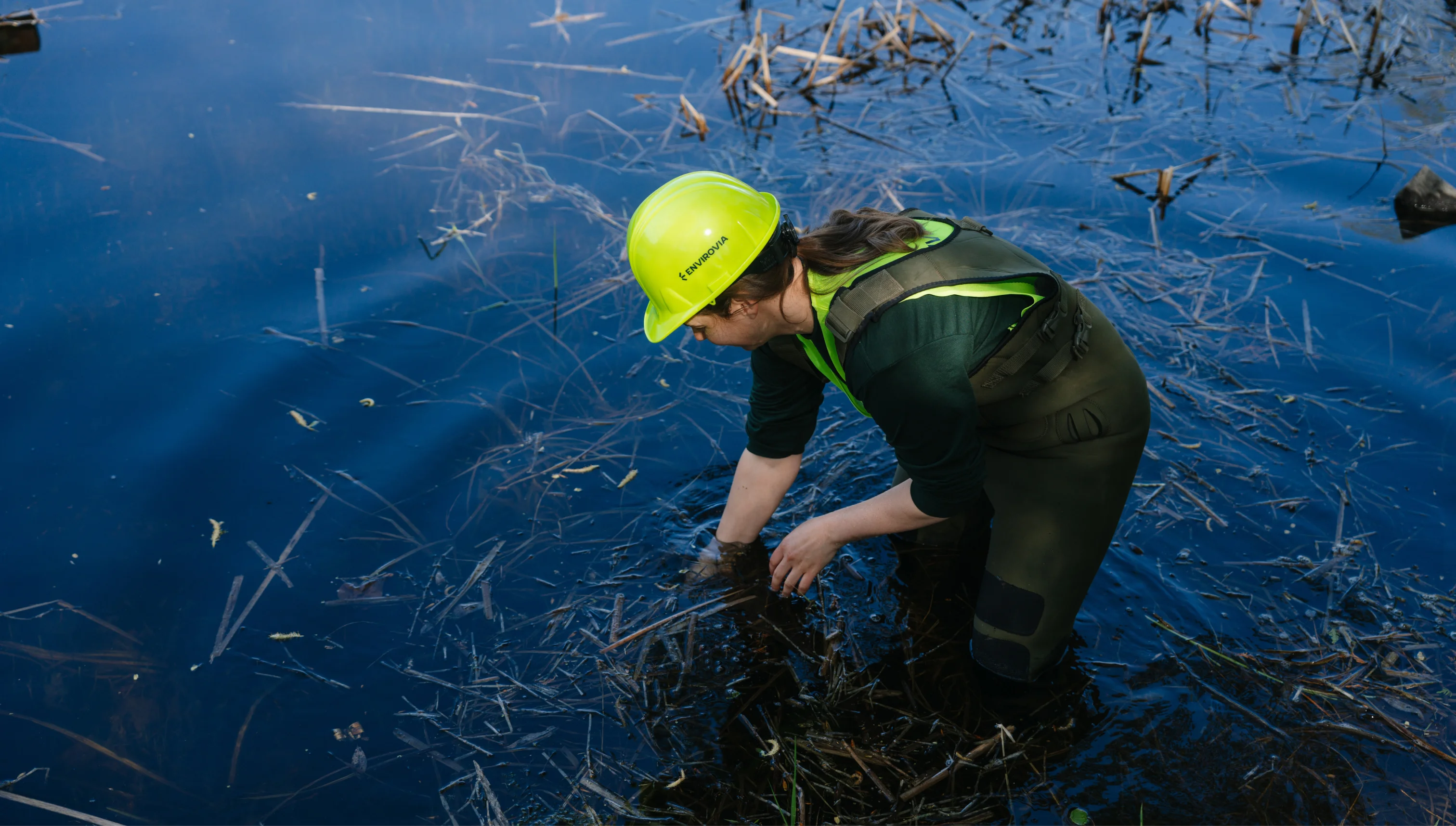
Understanding a territory's wildlife to better protect and enhance it. Rigorous inventories and developments that create or improve habitat for terrestrial, aquatic, and avian species.
Wildlife inventories provide the essential data needed to understand a territory's richness and sensitivity: species present, habitats used, species at risk, and movement corridors. This data guides development decisions, supports authorization requests, and underpins conservation plans. Wildlife habitat developments go a step further: they create, restore, or improve habitat for terrestrial and aquatic wildlife, such as spawning grounds, fish passages, nesting sites, bat refuges, vernal pools, wooded corridors, windbreak hedgerows. These developments may respond to a regulatory obligation (compensation project, authorization conditions, mitigation measure) or a specific need (spawning ground restoration, habitat quality improvement, invasive species control, support for populations of species at risk).
Our team of biologists designs each development to measure, drawing on the biology of the target species, the characteristics of the receiving environment, and recognized best practices. Our expertise spans the full continuum: preliminary site characterization, detailed design of developments, authorization requests to MELCCFP and DFO, construction carried out in collaboration with our network of partners, and multi-year monitoring to measure ecological effectiveness. Every project is designed to produce lasting results, not just to satisfy an administrative requirement.
Project analysis, identification of target wildlife groups, and development of inventory protocols tailored to the mandate. Discussions with authorities (MELCCFP, DFO) and other project stakeholders (municipalities, RCMs, developers, etc.) to adjust protocols to field conditions and available resources when relevant.
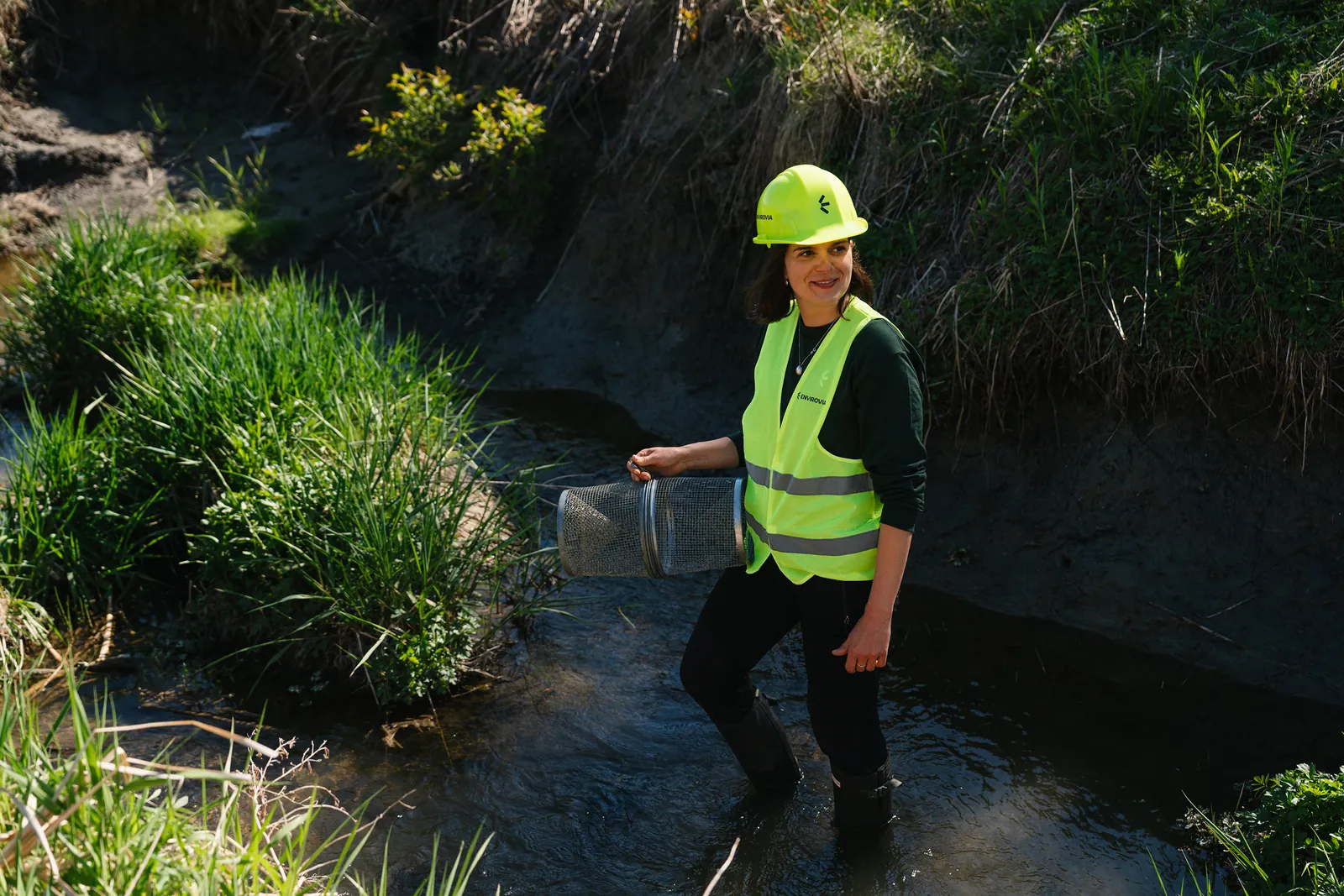
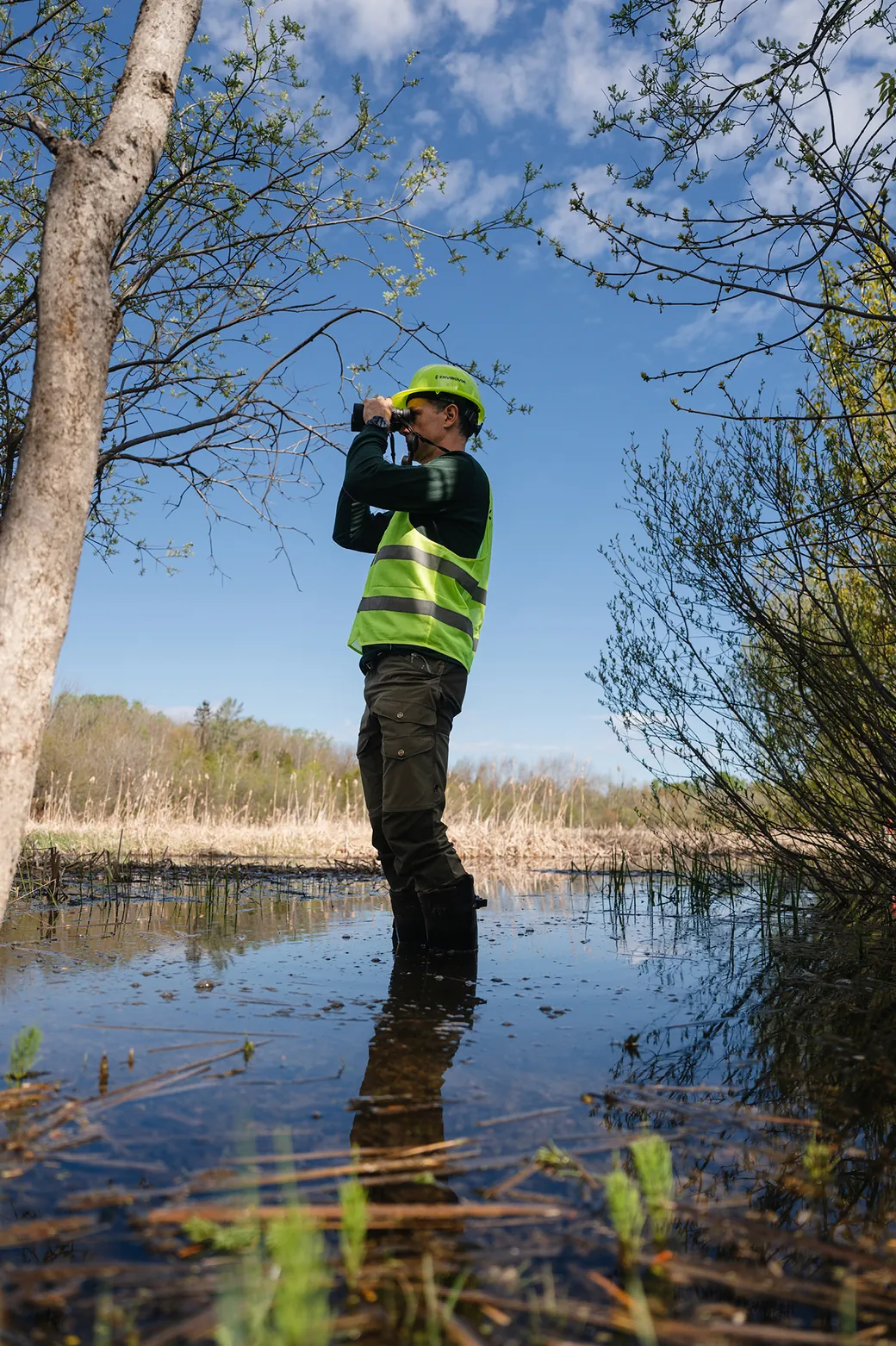
Planning of field visits according to optimal detection windows for each group (nesting, breeding, migration), mobilization of biologist teams, and deployment of appropriate methodologies (transects, listening stations, camera traps, captures, night surveys).
Compilation of field data, verification of species at risk, and assessment of the site's wildlife sensitivity. Identification of project issues and recommendations for avoidance, mitigation, or development.
Custom design of wildlife developments tailored to target species (location, sizing, materials, vegetation), construction carried out in collaboration with our network of partners, and multi-year monitoring to measure ecological effectiveness and use by wildlife.
Same owners, same team, new name. The expertise you have trusted for years, with a new look.