Understanding what's affecting your lake or waterway. A rigorous diagnosis to identify the causes of a water quality issue and design an effective, tailored action plan.
An ecological diagnosis of a body of water establishes an overall picture of its health: physico-chemical water quality, watershed condition, human and natural pressures, and aquatic habitat quality. It's the essential tool for understanding why a lake or waterway is degrading, and for designing targeted, effective interventions.
Our team measures, in the field and in an accredited laboratory, the essential parameters needed to obtain an accurate picture of a body of water's trophic state. Results are put into context with the watershed analysis to identify pressure sources and prioritize the actions that will sustain the ecosystem over the long term.
Analysis of land use in the watershed based on photo-interpretation and available geomatic data. Inventory of potential sources of nutrients and contaminants, and documentation of diffuse inputs (runoff, septic systems, agricultural activities, urbanized areas, etc.).
Development of a sampling plan tailored to the targeted issues: choice of parameters to measure, location of stations and scheduling of campaigns according to critical periods.
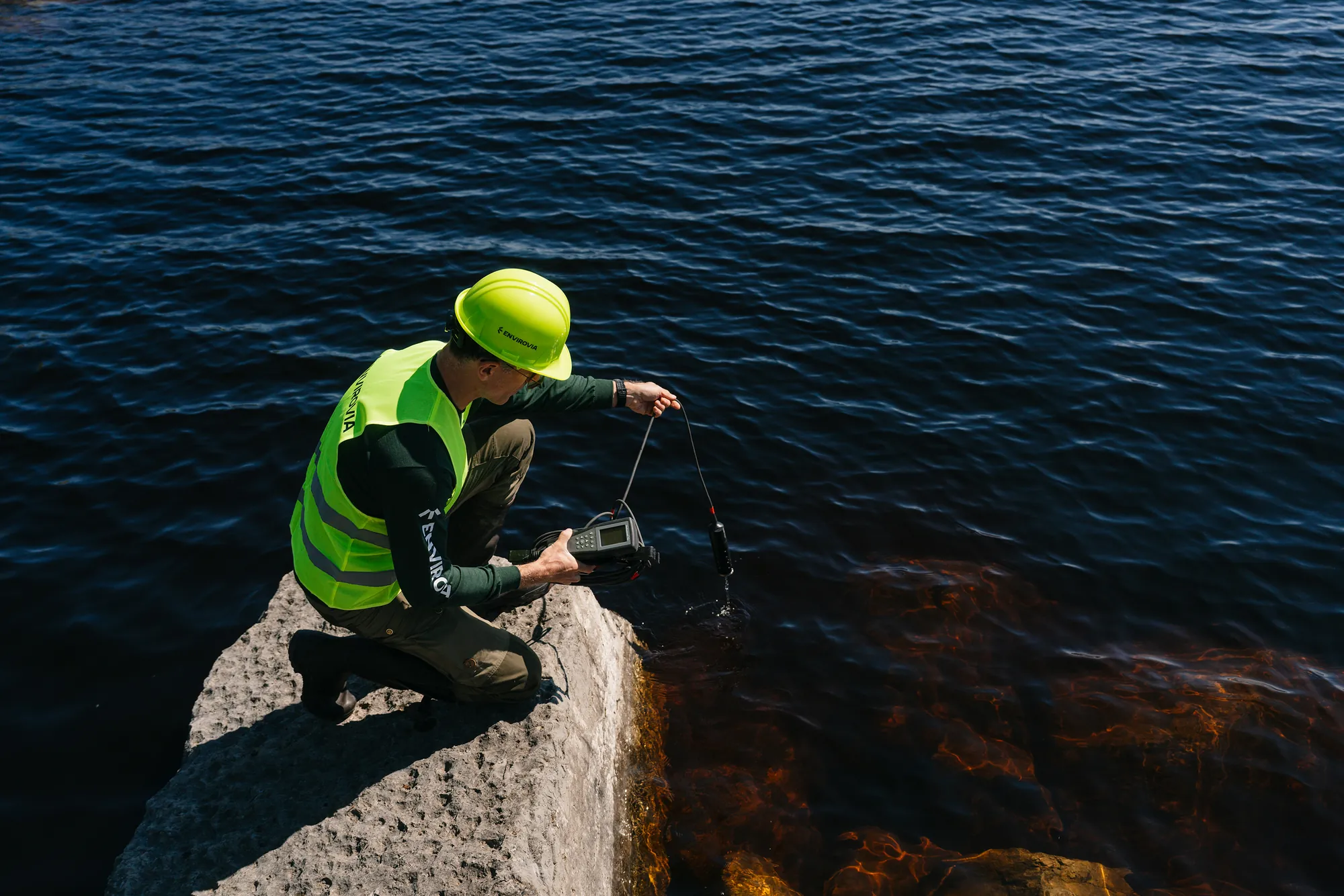
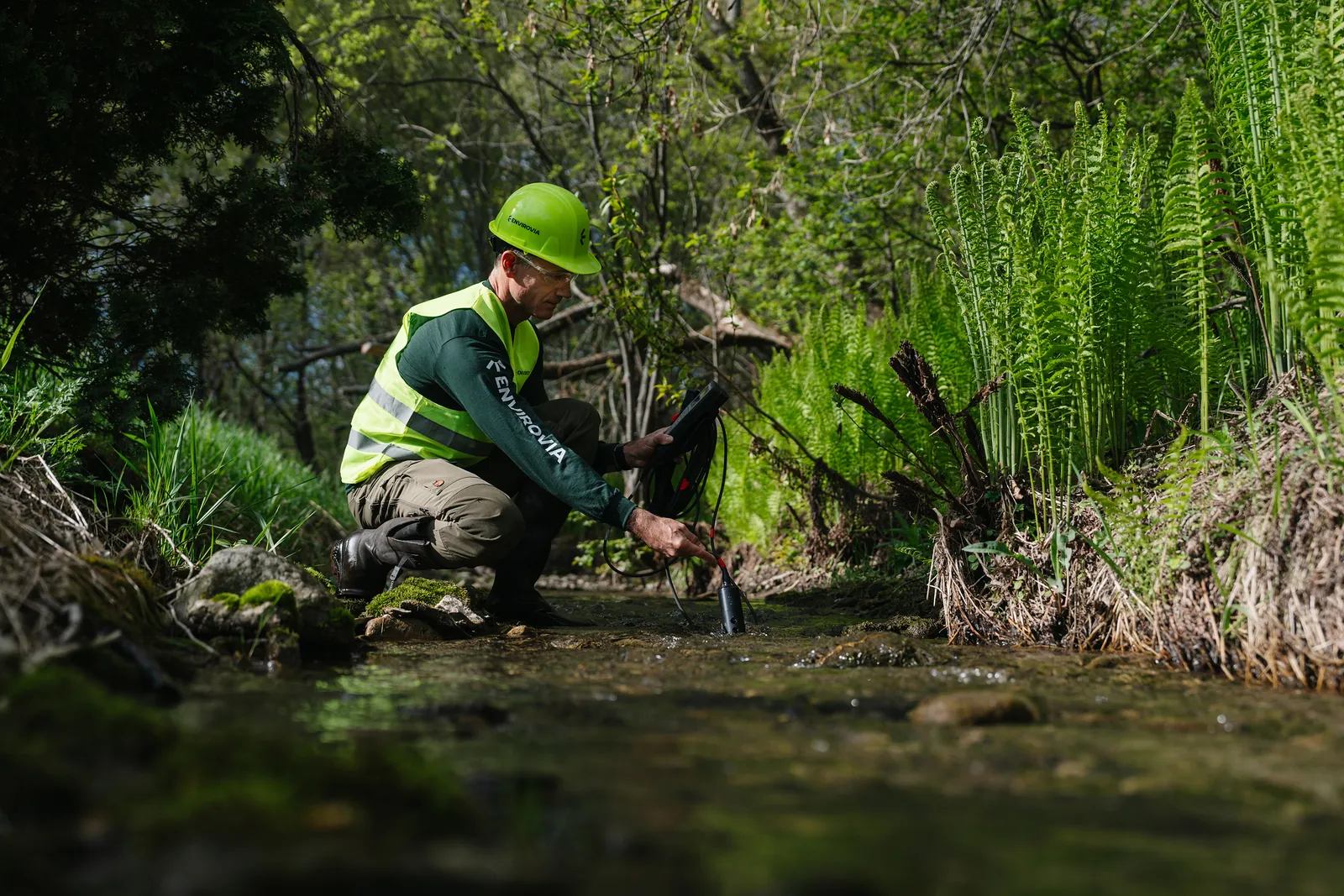
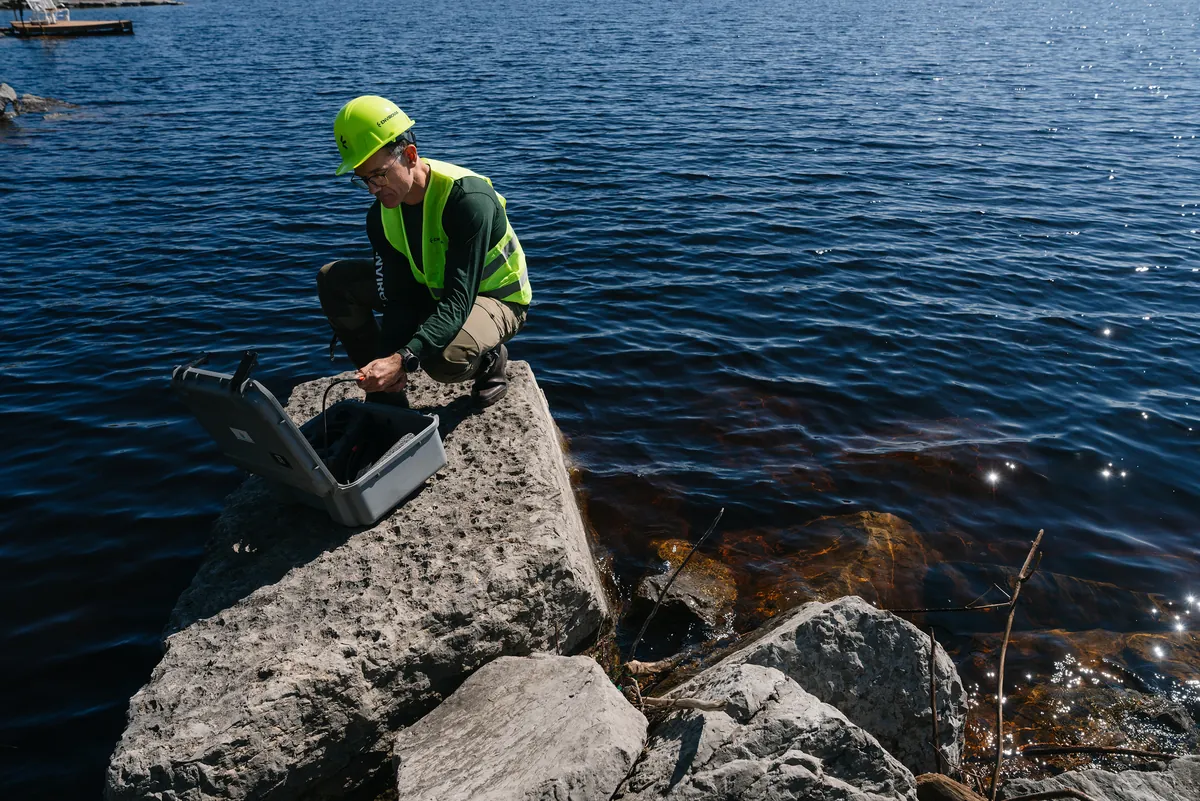
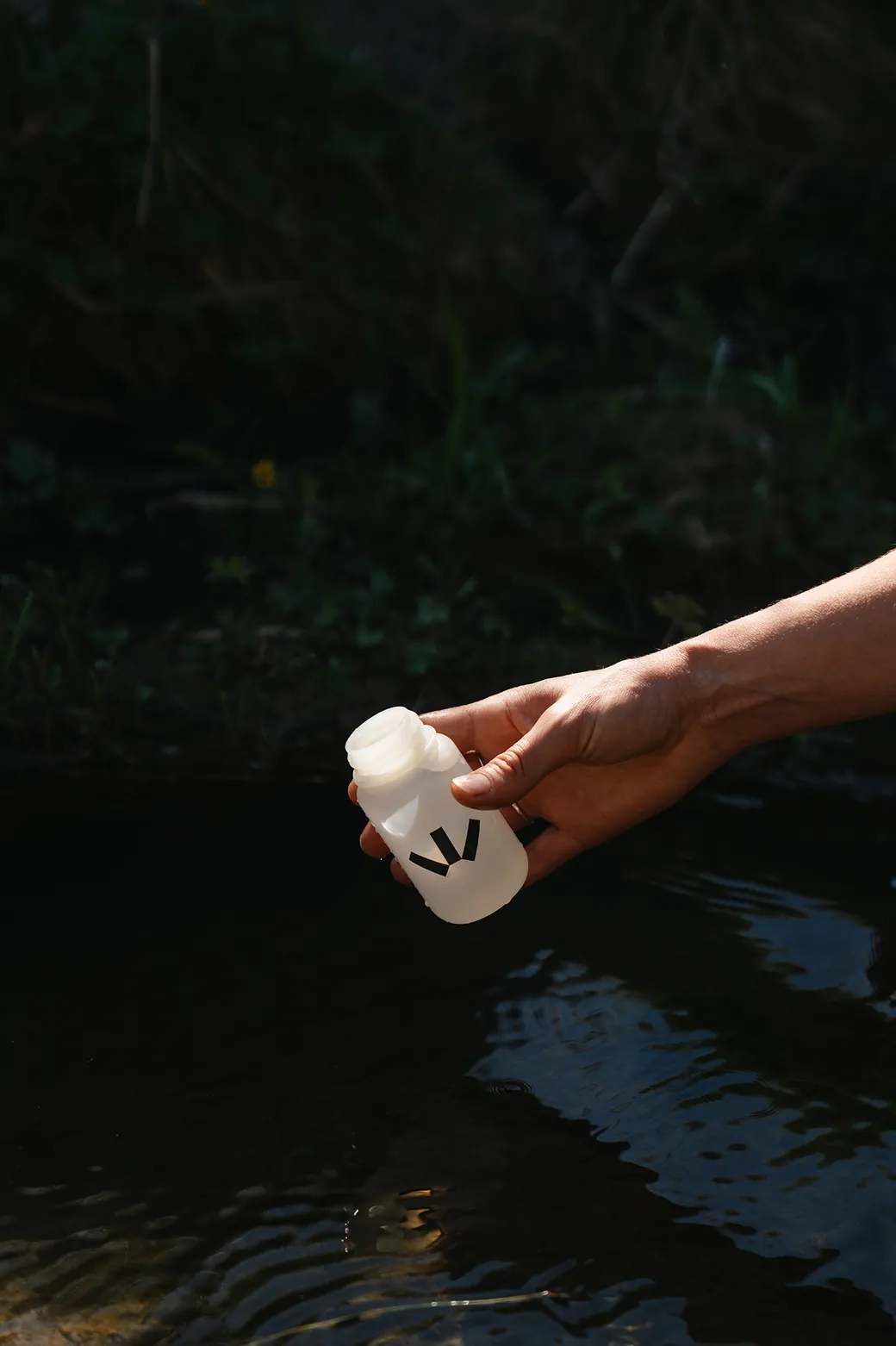
Field campaigns: in situ measurements using calibrated equipment and samples analyzed by an accredited laboratory.
Correlating analytical results with field observations and the watershed portrait. Comparison with MELCCFP quality criteria, identification of the primary and secondary causes of the observed issues, and recommendations for protecting the body of water.
Same owners, same team, new name. The expertise you have trusted for years, with a new look.