Knowing a property's past before you invest. A Phase I ESA to document contamination risks related to a site's past uses.
The Phase I environmental site assessment (Phase I ESA) determines whether a property is likely to have been affected by contaminants related to its past uses. It relies on a documentary review, a site reconnaissance visit, and an analysis of potential contamination indicators.
At Envirovia, this expertise is deployed when it's linked to an ecological characterization process or a broader environmental project. It remains a standalone report, produced to support a clear decision on the next steps to consider.

Compilation and analysis of all available sources of information: land registry, historical permits, aerial photos since 1930, ministerial databases (RÉPERTOIRE, GESTIM), and proximity to at-risk industries.
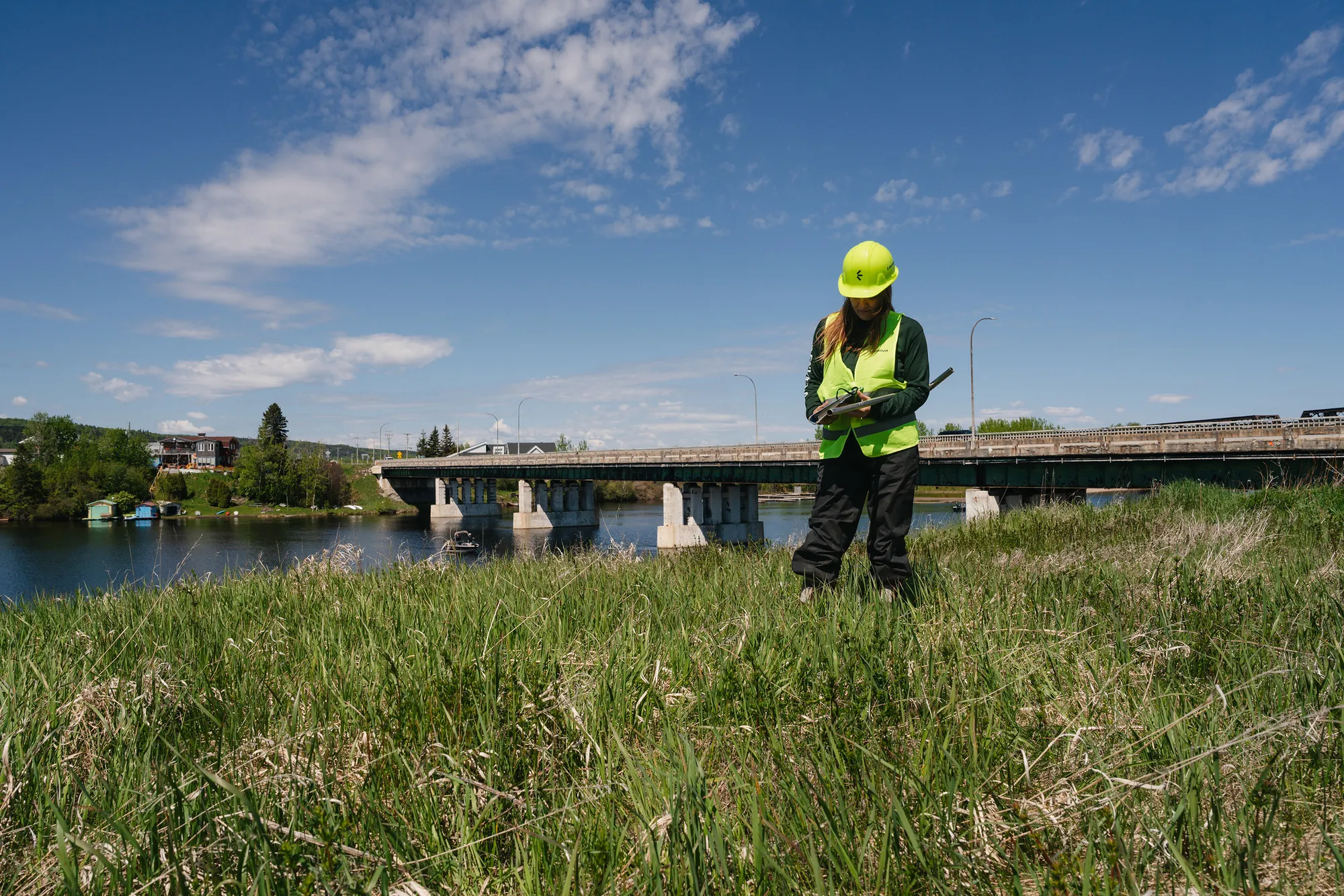
The reconnaissance visit allows our team to document contamination indicators, current site conditions, observed spills, and other elements relevant to the environmental analysis.
Synthesis of documentary and field data, assessment of the likelihood of contamination in accordance with CSA standards, and formulation of the findings needed for decision-making.
Delivery of a standalone report with conclusions on contamination potential. Support for interpreting results and planning next steps, particularly when a Phase II is required.
Same owners, same team, new name. The expertise you have trusted for years, with a new look.