Stabilize, restore, enhance. Living solutions that combine field diagnosis, native species adapted to the environment, and proven vegetation-based engineering techniques.
Vegetation-based engineering combines the mechanical properties of plants (root systems, stems, and rhizomes) with proven engineering techniques to stabilize banks, restore shorelines, and create functional habitats. Unlike structures built with inert materials, vegetated developments become more effective over time: as the plants take root and grow, the stabilization of the shoreline gets stronger.
Our interventions favour native species adapted to the environment and integrate, depending on client needs, an aesthetic dimension.
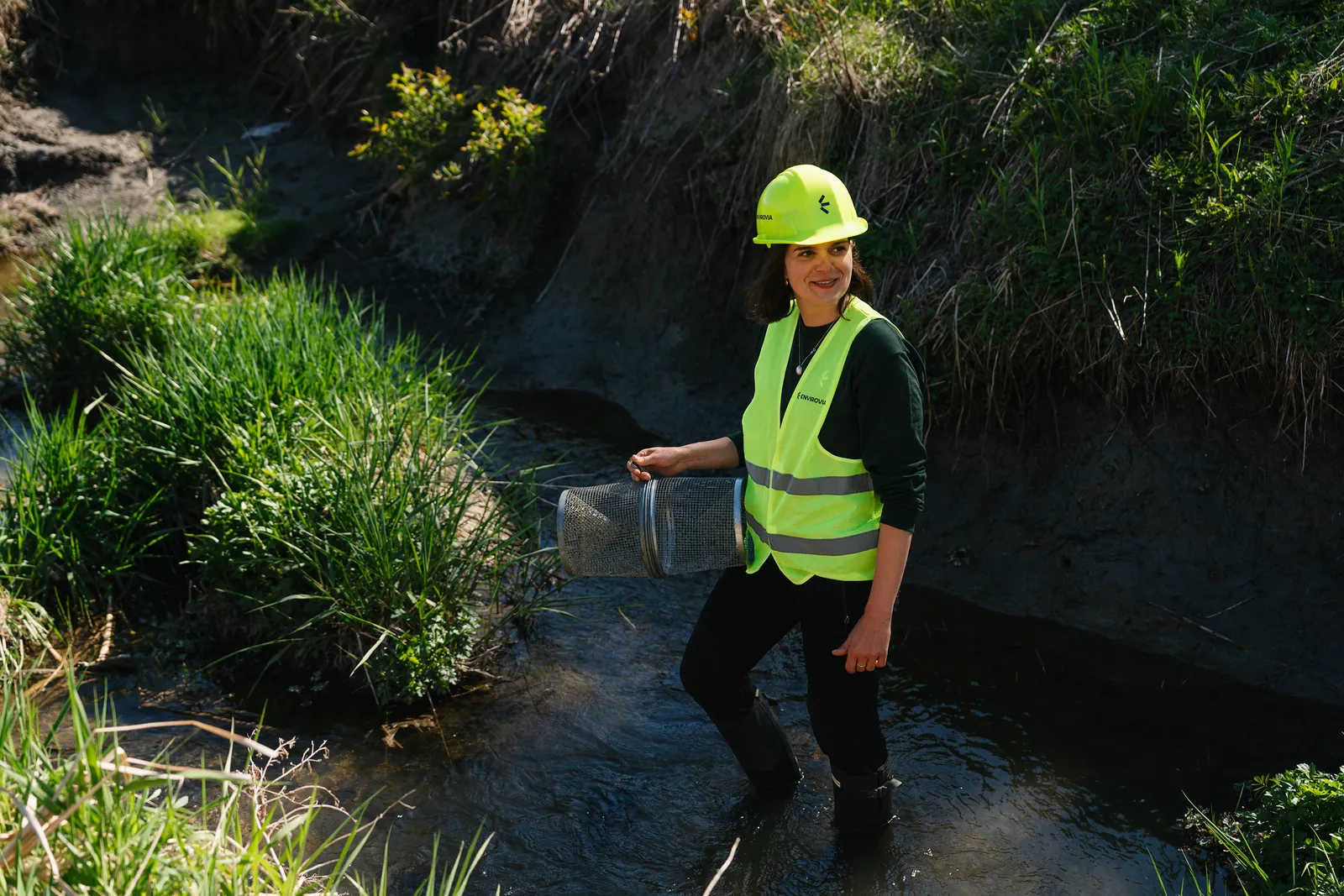
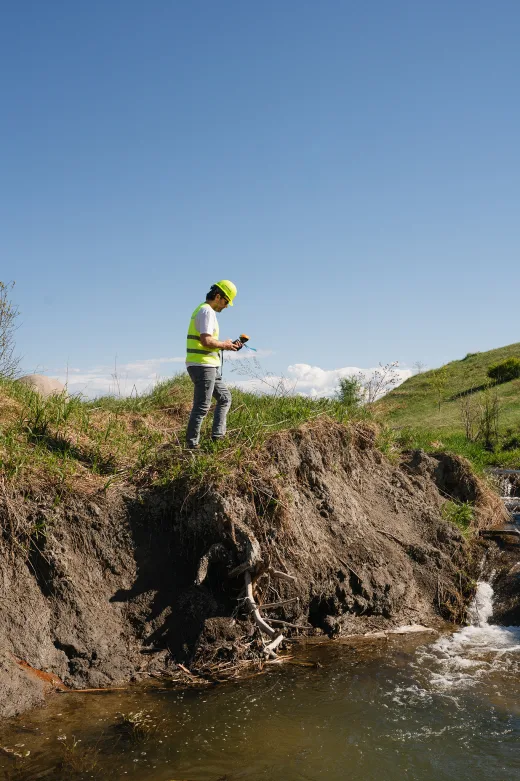
Assessment of the condition of the riparian strip, identification of species present, and analysis of active erosion processes. This step determines the level of intervention required and the restoration objectives.
Selection of native species adapted to the bioclimatic zone and to site conditions (soil, moisture, slope, exposure). Integration of appropriate vegetation-based engineering techniques and plants compatible with the local ecology.
Drafting of technical plans and specifications, preparation of ministerial authorization requests (MELCCFP) if required, and coordination with the vegetation-based engineering contractor.
Construction of the work when relevant, on-site presence to ensure installations comply with specifications, geolocated photo documentation, then follow-up visits to assess plant establishment and make adjustments as needed.
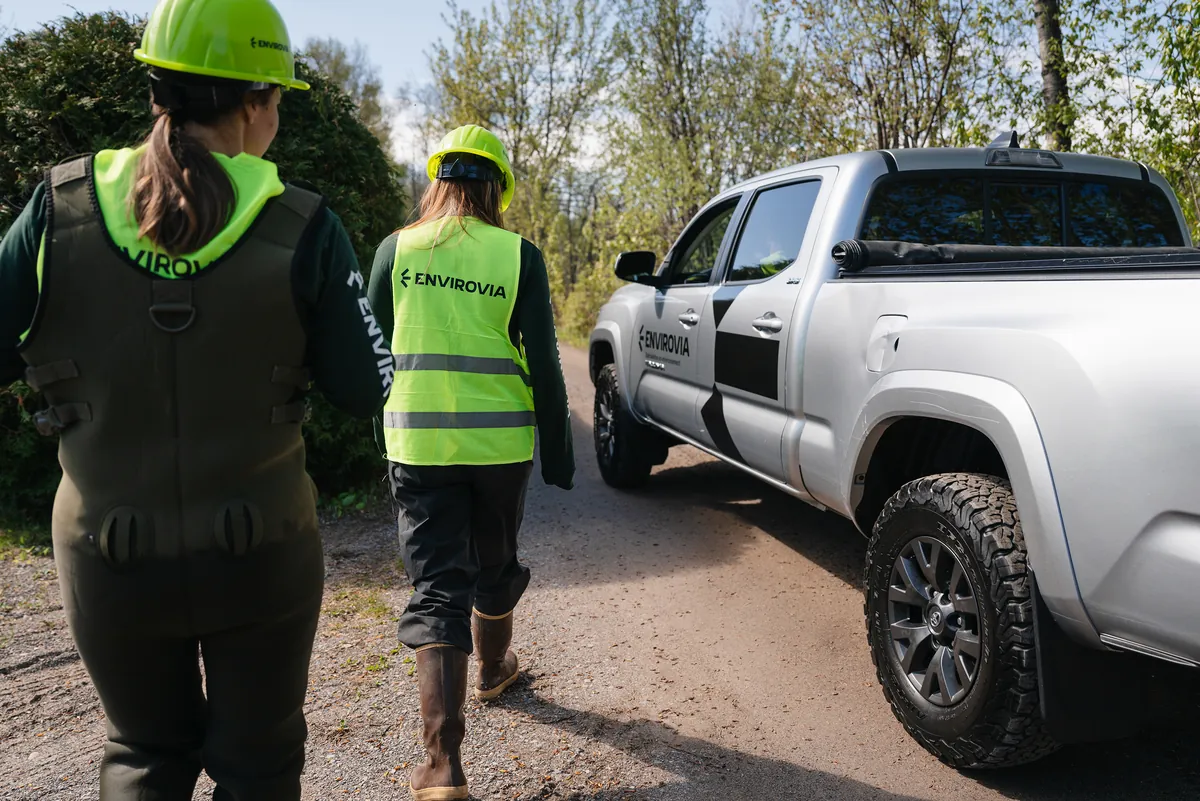
Same owners, same team, new name. The expertise you have trusted for years, with a new look.