Coexisting with beavers without sacrificing your infrastructure. Durable, legal, and wildlife-friendly solutions to manage conflicts between human activities and beavers.
The presence of beavers in a territory is rarely neutral: it can either enrich a natural environment or compromise human infrastructure. In Québec, the expansion of hardwood stands following forest harvesting has favoured the establishment of this species, and conflicts with road, agricultural, and municipal networks are multiplying. Yet removing beavers without intervening in the habitat only solves the problem temporarily, since a territory favourable to beavers will sooner or later be reoccupied.
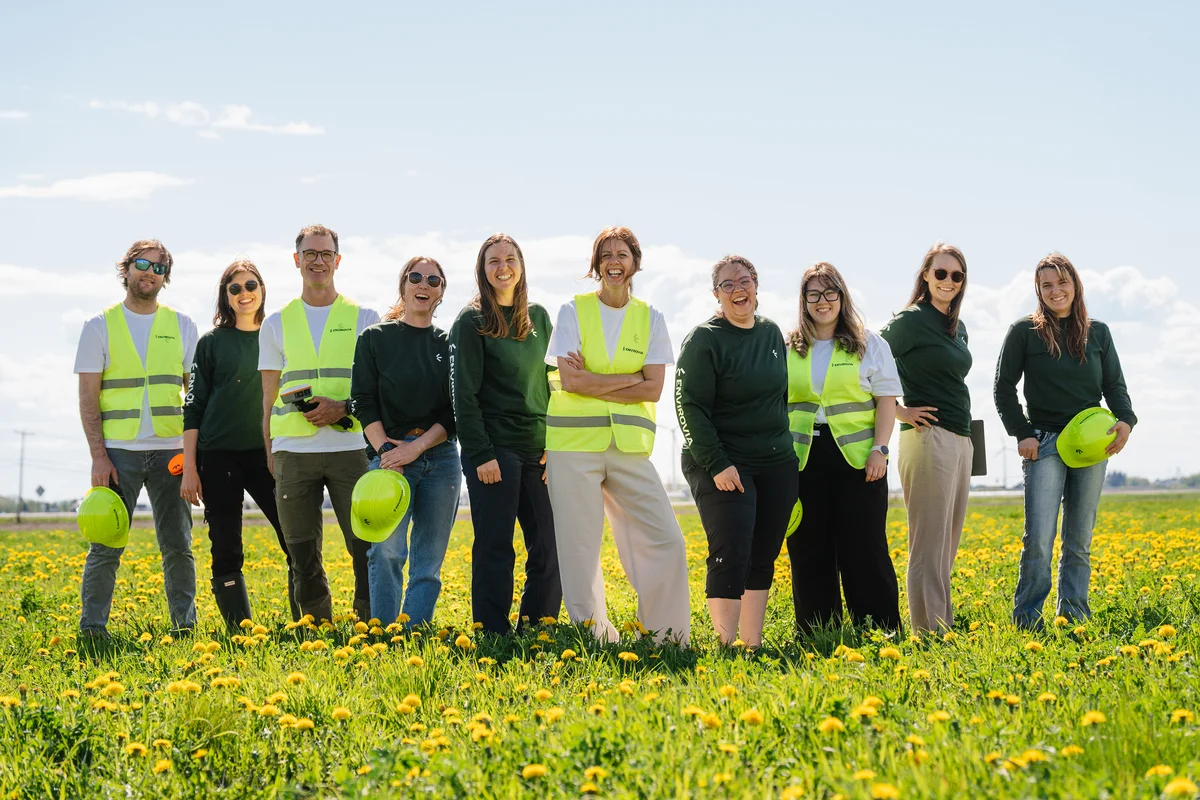
Our team supports municipalities, RCMs, and land managers in implementing durable coexistence strategies: culvert protection devices, water-level regulators, and targeted developments. Documented experience in Québec and elsewhere shows that a well-planned preventive approach is more economical in the medium term than reactive damage management.
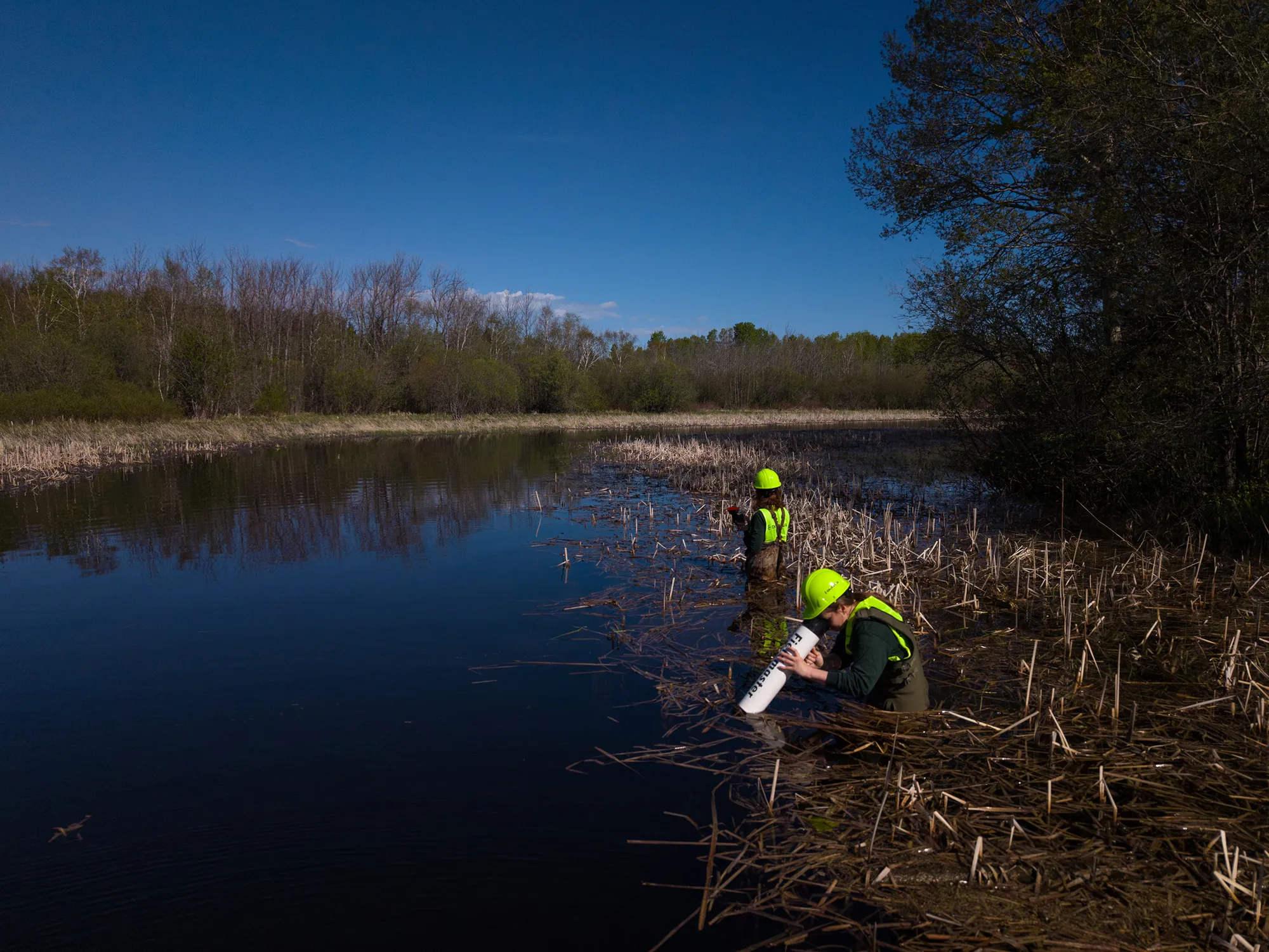
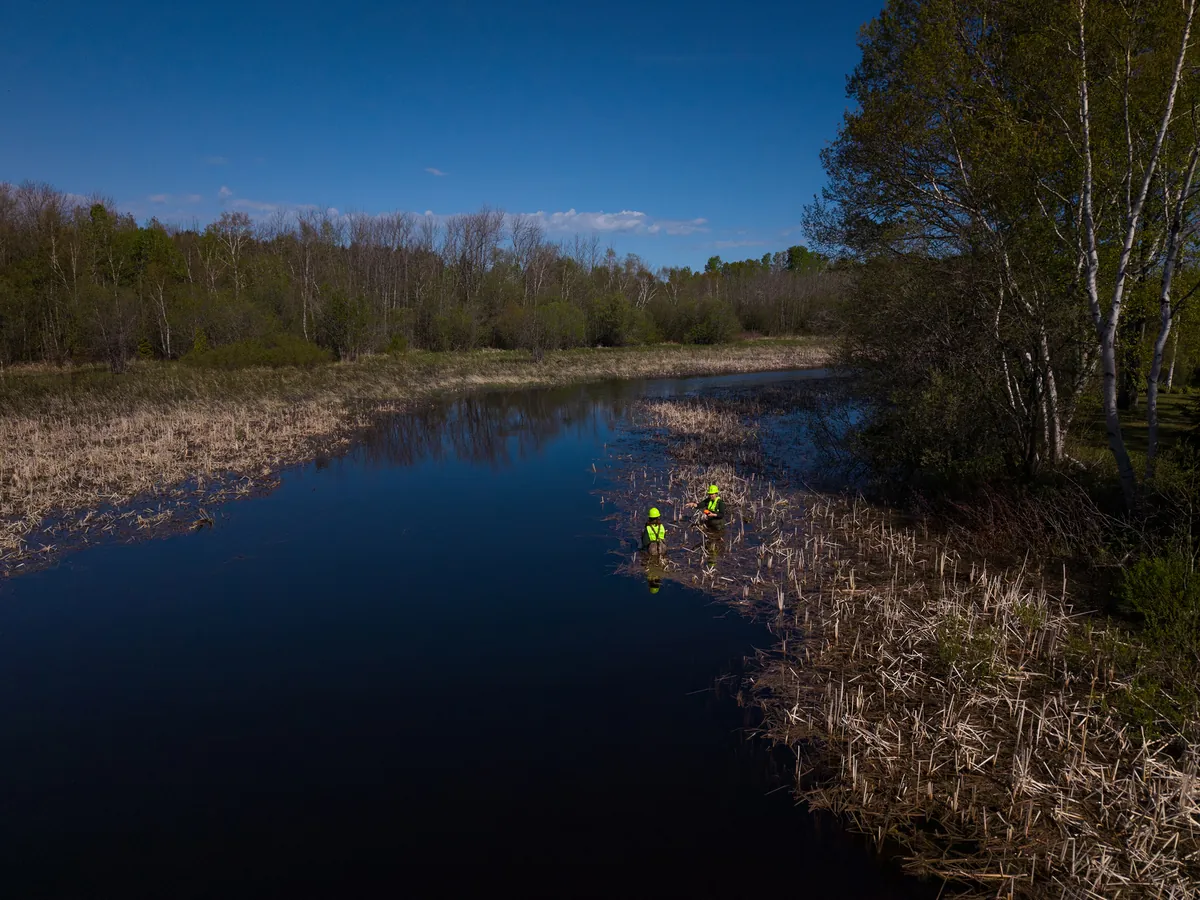
Territory analysis, identification of signs of beaver presence and the conditions favouring its establishment (marshes, low-flow waterways, gentle slopes), and characterization of vulnerable infrastructure (culverts, roads, protective structures).
Assessment of at-risk sites and prioritization of interventions based on the recurrence of issues, presence history, and settlement potential. Identification of areas to protect first in order to optimize investments.
Design of solutions tailored to the context (water-level regulators, culvert protection devices, targeted developments), regulatory steps with MELCCFP when required, and on-site installation by our wildlife development professionals.
Setting up a regular maintenance program for installations, monitoring their effectiveness over time, and supporting the client in adjusting strategies as conditions evolve on the territory.
Same owners, same team, new name. The expertise you have trusted for years, with a new look.